
Catonsville City Directory Collections
Three clues open a Catonsville city directory collection. Bring a name, an address, or a rough date. An alphabetical directory places a subscriber at an address. A reverse directory runs the other way, starting from the house number. Either can anchor a lookup. Other records then test whether one household appears in more than a single source. Telephone pages, library collections, newspapers, deeds, and census records all serve that purpose. Catonsville sits inside a Baltimore County record landscape. To find who lives on a street in Catonsville, a Baltimore or suburban label can be exactly the right shelf.
| Collection | Years located | Where held | Access |
|---|---|---|---|
| MSA and BCPL city and suburban directories | Broad Baltimore runs, 1752-1930; address-based criss-cross from 1928 | Maryland State Archives, BCPL and regional libraries | Check the year and community inside each volume |
| Polk and related suburban directories | 1929-30, 1936-37; regional runs 1957-59, 1961, 1963-65 | MSA series and regional holdings | In person, microfilm, or collection inquiry |
| LOC Catonsville white and yellow pages | Winter 1936/Spring 1937 through Winter 1938/Spring 1939; 1940-55 | Library of Congress digital collection | Page images, OCR, PDF, and reel metadata online |
| Baltimore Suburban West telephone pages | 1961-62 and December 1963 | Library of Congress | Item-by-item online review |
| BCPL local history and Digital Maryland | Collection materials rather than one continuous directory run | Catonsville Branch and digital collection | Branch research help and online browsing |
The MSA Baltimore City and suburban directories guide maps a long shelf of Catonsville-adjacent material. It lists BCPL microfiche covering 1752-1860 and microfilm for 1861-1930. It also notes holdings at MSA, Pratt, Johns Hopkins, and the University of Maryland. Those spans describe the whole regional run. No Catonsville entry is promised in every edition. The guide flags one turning point for address work. It marks 1928 as the first criss-cross street directory arranged by address. That year changed things. That line matters whenever an old house is the starting point for a resident lookup.
Catonsville in the Suburban Directory Shelf
Maryland State Archives collection records make the regional pattern more precise. SC 2898 includes microfilm for 1752, 1796-1860, and 1863-1930. Its original directory list also identifies selected Baltimore runs through 1956. SC 3807 includes Polk material for 1936-37, while SC 4313 covers suburban material for 1957-59, 1961, and 1963-65. The separate Polk series description lists 1929, 1930, 1936, and 1937, but no 1931-35 volume was found in that series. A blank year should stay blank rather than being filled by an assumption.
The MSA SC 2898 collection record has keyword, collection number, author, date, description, microfilm number, and series-number search modes. It is a good catalog route before a visit. Ask for the call number and the exact year, not a broad request for all Catonsville names. The request can then move to an MSA Search Room, a library microfilm reader, or a repository staff member if the catalog shows a physical reel. The MSA directory guide is the source for the suburban-directory shelf view below.
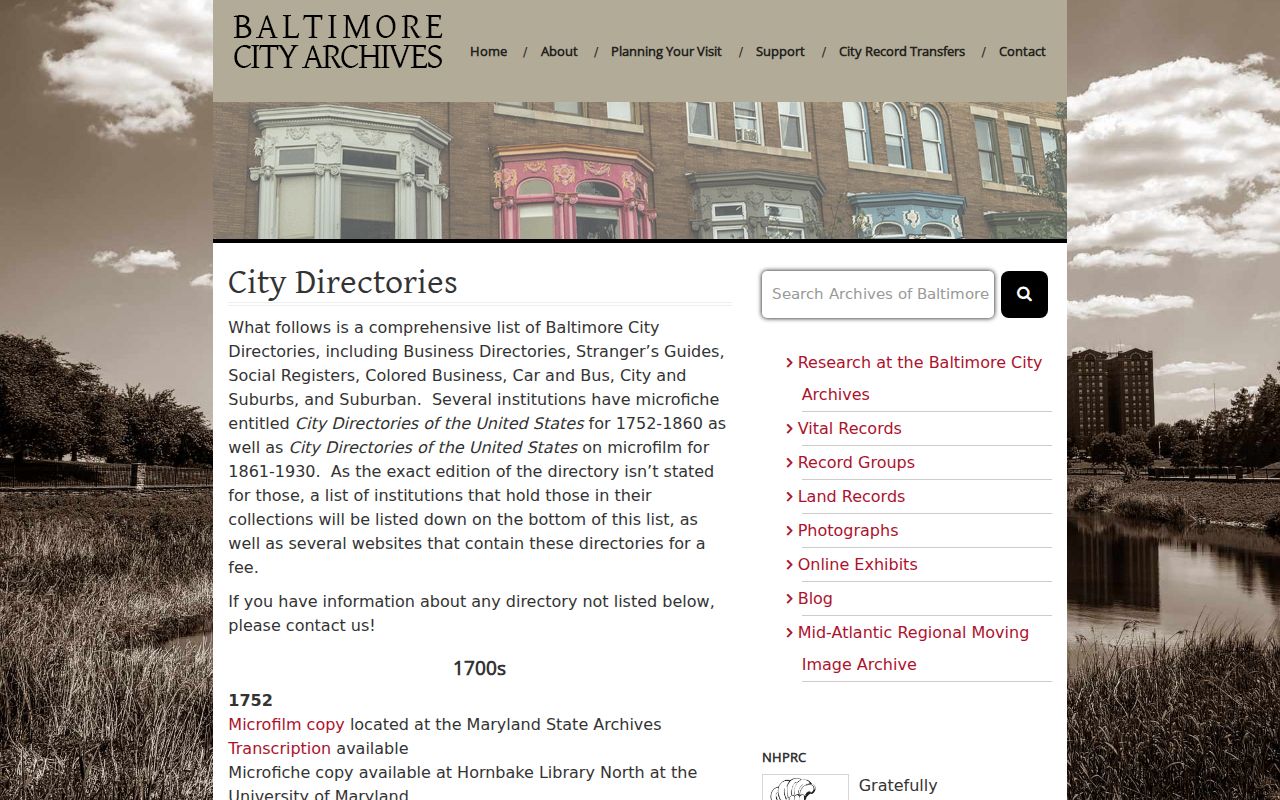
Treat the guide as a shelf map. Beside every entry, write the exact volume title. Add the page and date too. Small notes like those keep a Catonsville street directory search honest months later.
Note: A volume with Baltimore in its title may still be the right Catonsville directory source, so check coverage inside each year's edition.
Catonsville City Directory Milestones
Read the documented dates as waypoints, not promises. They do not prove that every Catonsville name appears in every year. They do explain why a search may shift sources over time. A social volume may yield to a telephone book. A standalone may fold into a suburban title. Keep a search log recording the repository, the volume, the edition year, the page, and whether the listing was alphabetical or address-based.
| 1752-1930 | Broad Baltimore directory runs are documented in the MSA and BCPL regional ecosystem. |
|---|---|
| 1928 | The MSA and BCPL guide identifies the first criss-cross street directory by address. |
| 1929-30 and 1936-37 | Polk examples located in the relevant MSA series. |
| 1936/37-1955 | LOC Catonsville white and yellow page items span early and mid-century telephone volumes. |
| 1957-65 | Regional suburban runs include 1957-59, 1961, 1963-65, with individual-volume review still needed. |
No official first Catonsville-specific directory exists. No final printed Catonsville volume has surfaced either. That absence is useful, because it steers the search toward the documented regional runs instead of a title that may never have existed.
1928 Catonsville City Directory Change
The 1928 criss-cross milestone flips the direction of a search. Before 1928, an address demands an alphabetical directory. It may also demand a deed or tax trail, a map, census work, or church and cemetery digging. From 1928 onward, a reverse section can start at the street address and point toward the listed occupant. The search should not end there. Confirm the name in the alphabetical portion. Compare nearby years too. A printed listing is a dated clue, not proof of ownership or of every person in the household.
- Write the street number and the street spelling exactly as it appears in the source or deed.
- Check the reverse section when the selected volume has one, then copy the name and all abbreviations.
- Find that name in the alphabetical section and note any initials, spouse form, or alternate address.
- Compare the next available directory year and pair the dated entries with the relevant federal census release.
- Use a deed, obituary, probate file, church register, or cemetery record to test a move, death, or name change.
The older spelling Catonville, used before an "s" joined the name in the 1830s, makes another search term worth trying. Frederick Road, Old Frederick Road, Route 144, tract names, and neighboring-community labels also surface in older records. Try them all. A mismatch may mean indexing, not a missing resident.
Catonsville City Directory Telephone Pages
The Library of Congress early Catonsville telephone item puts digitized white and yellow pages online. Its coverage spans Winter 1936/Spring 1937 through Winter 1938/Spring 1939. A second stretch of volumes takes in Catonsville, Arbutus, and the Elkridge vicinity. That run extends from Summer/Fall 1940 through Summer/Fall 1955. Regional material follows, including Baltimore Suburban West for 1961-62 and December 1963. No stable 1965 item exists, so treat that gap as open rather than assumed. For library routes to these telephone directories, turn to the library's own tools. BCPL's genealogy and research databases supply the source page.
A telephone page earns its keep as one piece of a larger paper trail. Pair it with census schedules, newspapers, and other historical material through library databases. Each source answers a different question. The 1940 Catonsville white pages follow a tight format. The surname comes first, then a given name or initial, then an honorific such as Mrs. or Jr. A street number with abbreviated road and locality follows. An exchange or phone number closes the line. Expect no occupation there. Nor will the entry list a full household or every resident at the address. Yellow pages lean business and serve a different purpose entirely. For a free, viewable mid-century run, the 1940-55 LOC item covering Catonsville stands out. It is a strong residents directory companion for that era.
Catonsville Directory Research at BCPL
The Catonsville Branch of Baltimore County Public Library is the practical local stop for city directories, photographs, artifacts, reference books, Catonsville High yearbooks, local newspapers, copying, and research help. It is at 1100 Frederick Road in Catonsville and lists 410-887-0951 as its phone number. Ask for the Local History Collection or History Room, and make the request specific: an address lookup, an obituary year, a directory run, a microfilm call number, or a yearbook.
BCPL's Catonsville Branch page identifies the branch and its Local History Collection.
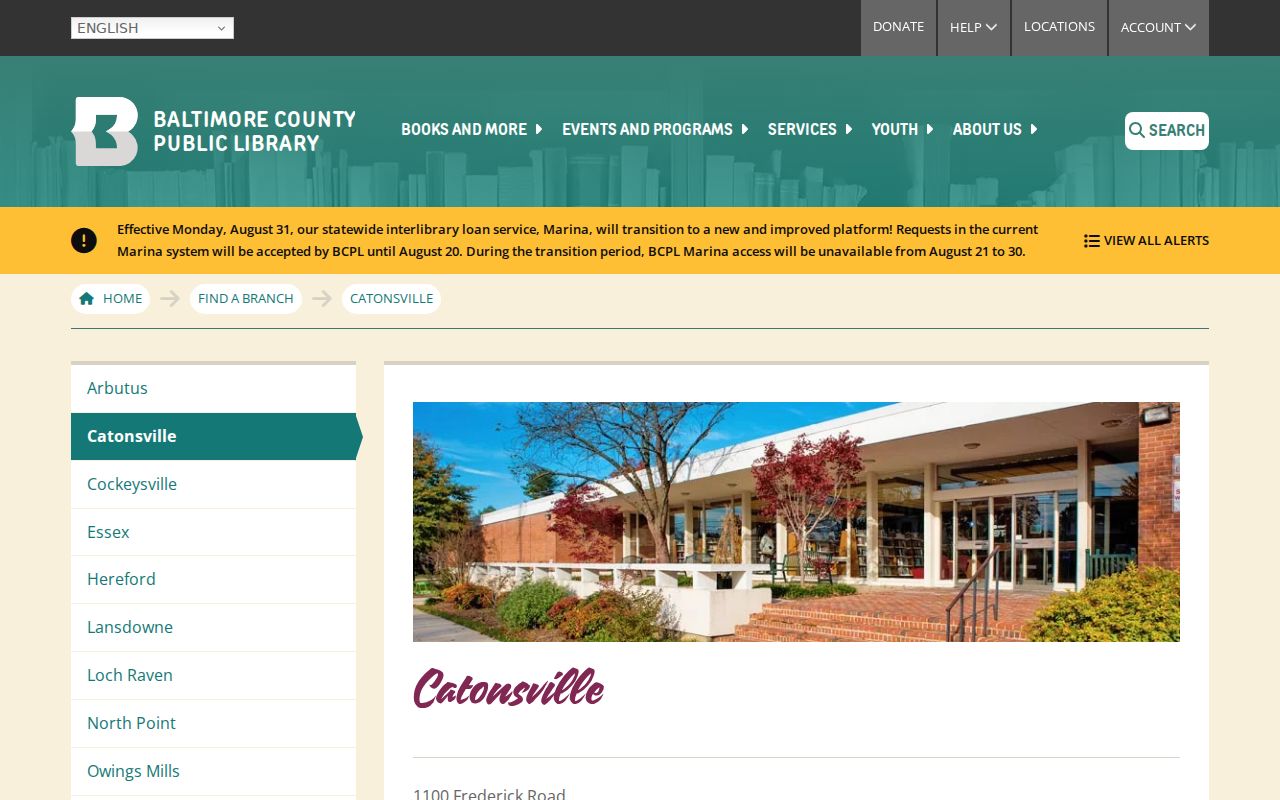
Staff help matters when a title sits on a local shelf. Home computers cannot search it, though. BCPL's research databases extend well past the print collection. Ancestry Library Edition, HeritageQuest, news databases, and Baltimore Sun access number among the offerings. Some access requires a branch computer, a library card, or the current public-library procedure. Chasing a former classmate? Treat a yearbook as proof of school-year presence only. Then let a dated directory or newspaper supply another independently dated lead.
Catonsville Directory Names Beyond the Shelf
Old photographs and local narratives matter here. They supply the vocabulary that makes a Catonsville directory search actually work. Digital Maryland's Catonsville collection points to the earlier Catonville spelling. It also covers Caton's 1810 development and old road names. Rail and streetcar growth appear there too. The same material reaches Eden Terrace and the early Argus newspaper. Those terms open doors in newspapers, deeds, captions, and resident lookup searches alike. Just resist treating a historical image caption as a current address record. Digital Maryland's Catonsville history collection offers browseable local-history material for exactly that purpose.
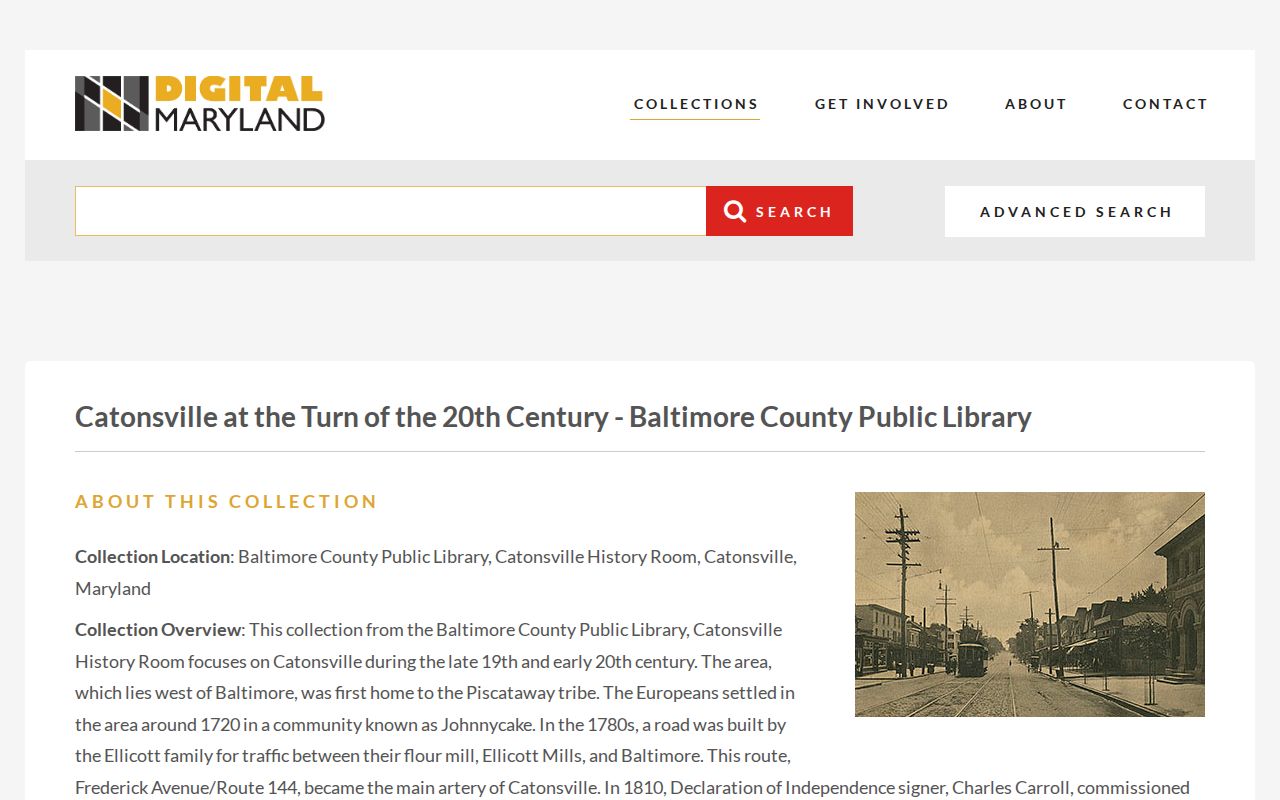
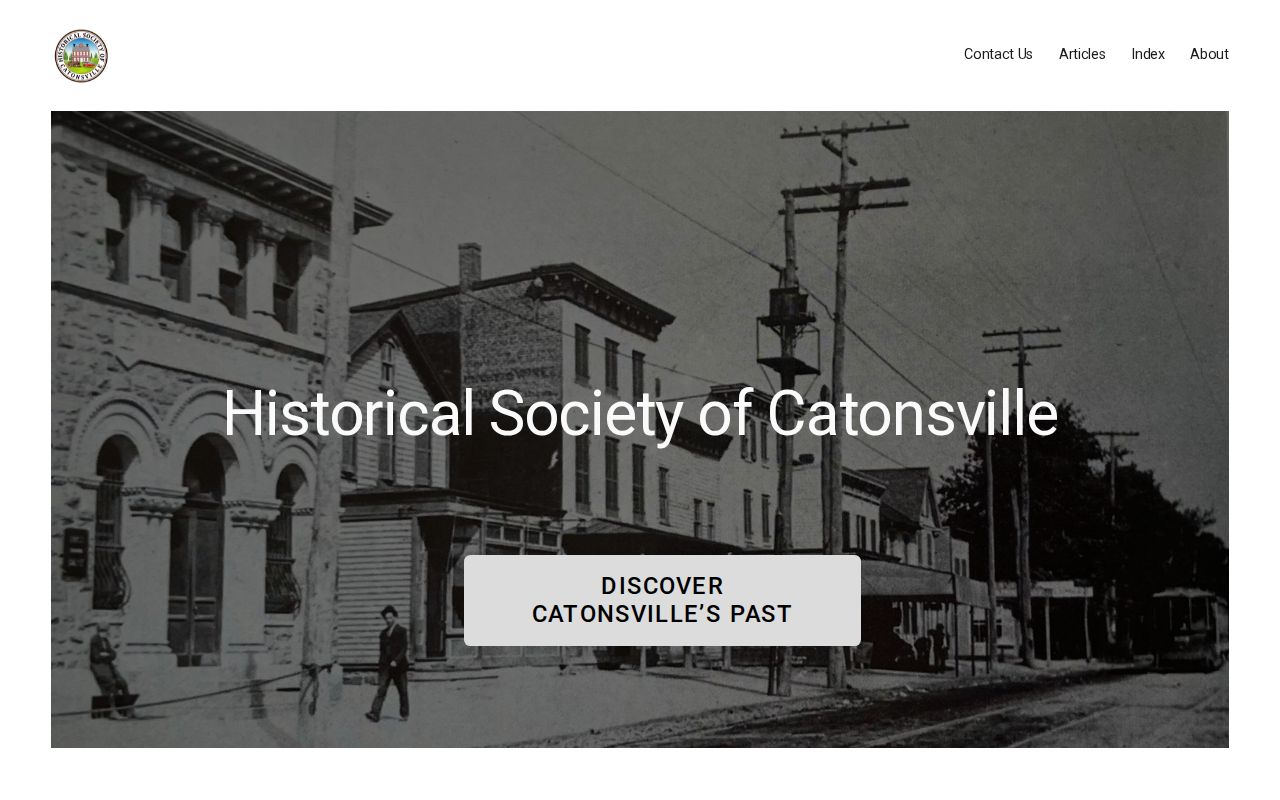
Record both spellings in your notes. A later search can then reproduce the result, whether you typed Catonsville or Catonville. The Historical Society of Catonsville describes research, preservation, presentations, historic walks, oral interviews, and wayside exhibits. Its public work can lead to context, programs, or a collection question, but it is not a resident roster. The newspaper trail splits as well. Catonsville Times and Herald Argus-Baltimore Countian ran from 1968-79, MSA's holdings cover 1977-79, and other libraries hold additional years. The Historical Society of Catonsville remains a local route for preservation and research context. Bring your past residents question there when the shelf runs dry.
Let a public program or collection description frame the right historical question. Then verify the name or address in the dated source itself. That two-step keeps a Catonsville resident lookup honest. Context first, record second.
Note: An unsuccessful search at one newspaper repository does not prove a notice went unpublished. The Catonsville holdings are distributed.
Reading a Catonsville City Directory Entry
Read the title page and abbreviation key before copying an entry. A Polk-style social directory and a telephone white page are not interchangeable. The first may supply occupation and address context. The second is usually a subscriber listing with a phone number. Preserve the form exactly: initials, Mrs. or Jr. markers, abbreviated street names, locality labels, punctuation. Those small details matter. They are often the safest way to tell two people apart. The surname may match in a Catonsville city directory, and the details still separate them.
| Name form | Surname, given name, initials, and markers such as Mrs. or Jr. can distinguish a listing. |
|---|---|
| Address | Street number, abbreviated street, and locality label show the published location for that edition. |
| Telephone | Exchange and number occur in a white-page listing, but an unlisted subscriber will not appear. |
| Occupation | A social or Polk directory may include work context; the inspected 1940 telephone sample did not. |
| Source date | The edition year and page anchor the entry to a particular time rather than a present-day claim. |
- Criss-cross directory
- A reverse section arranged by street address that can point from a house number to a listed occupant.
- Householder index
- An alphabetical listing organized around the named household entry, not a promise that every person there is named.
- Abbreviation key
- The volume's own explanation for shortened street, relationship, or address terms. Photograph or transcribe it with the entry.
Catalog labels can hide a collection's limits. The 1835 Baltimore County courthouse fire destroyed valuable records. The 1851 separation of Baltimore City from Baltimore County then left older county material in Baltimore City. That history explains why an older Baltimore shelf, series number, or microfilm reference can be the right place for a Catonsville family search, even when the label points elsewhere.
Tracing Catonsville Families Through City Directories
A reliable family-history trail moves through dated sources in sequence. Start with the first verified appearance. Then advance one directory year at a time. A disappearance can mean a move, a changed listing form, a disconnected phone, a death, or an omitted subscriber. The source itself usually cannot say which. Pair the city directory run with federal census records released under the 72-year rule. Recorded deeds, obituaries, probate material, church registers, and cemetery records also help.
- Locate the earliest confirmed listing and copy the page, edition, exact name, and exact address.
- Follow the name and address through each available directory year, noting spelling changes and gaps.
- Use the criss-cross section from 1928 onward to test the address, then check the alphabetical entry.
- Compare the directory interval with the appropriate census and recorded-deed dates.
- Close an apparent departure with an obituary, EstateSearch, church, cemetery, or later deed trail when the source supports it.
Church and cemetery records answer where civil records fall short. Salem Lutheran Church Records at MSA cover Catonsville material from 1848 to 1974. Baptisms, marriages, and deaths appear there. So do burials, membership, and cemetery or interment material. Western Star Cemetery records are different. That collection is restricted, on deposit, and still being indexed. So it is not a finished public name search.
The right fallback depends on the case. It might be an MSA staff inquiry, a church or cemetery custodian, a BCPL librarian, a genealogical library, or a collection-specific mail request. An email request can work too.
Note: A city directory entry is strongest when cited with its edition and page. Then check it against one independent record with a compatible date.